

Ladder-logic Programming:Supports ladder logic for efficient control system design
Structured-Text Programming:Offers structured text for complex application development
Advanced Instruction Set:Includes file handling, sequencer, diagnostic, shift register, immediate I/O, and program control instructions
Multiple Main Control Programs:Facilitates segregation of control tasks for improved system management
Processor Input Interrupts:Ensures quick response to system inputs
Global Status Flags:Maintains visibility of system state across multiple modules
Programmable Fault Response:Automatically reacts to faults to prevent system failure
Timed Interrupt Routine:Monitors specific information at predefined intervals
Protected Memory:Selectably protected by word on selected processors
Amperage Rating:Backplane: 5 VDC, 500 MA, DeviceNet: 24 VDC, 90 MA
Mounting:Chassis mounting for secure installation
Communication Speed:125 KBPS for reliable data transfer
Dimensions:Length: 1-23/64 IN, Width: 5-1/8 IN, Height: 5-11/16 IN
Enclosure Type:Open type for easy access
RFI Suppression:Reduces electromagnetic interference with specified standards
Temperature Rating:32 – 140 DEG F for broad operational range
Environmental Conditions:Relative humidity: 5 – 95%, ensuring durability in varying environments
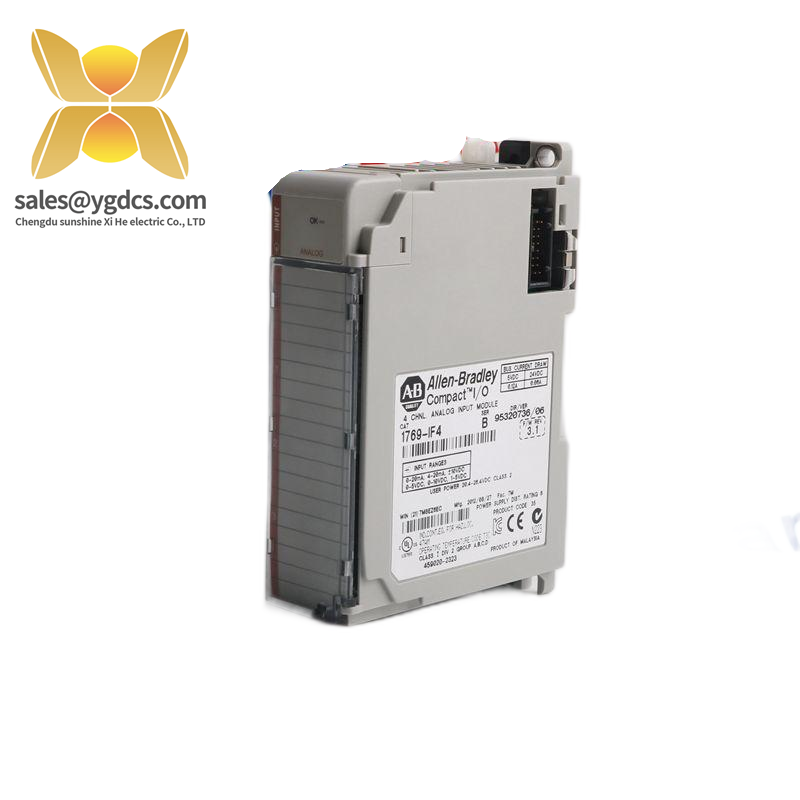
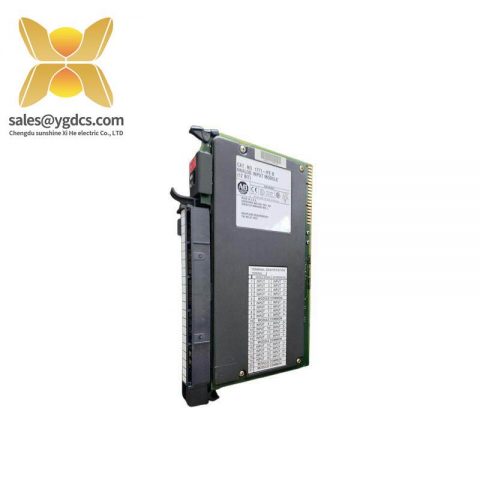
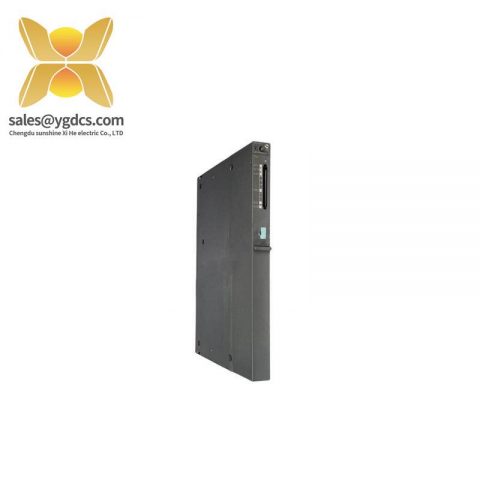
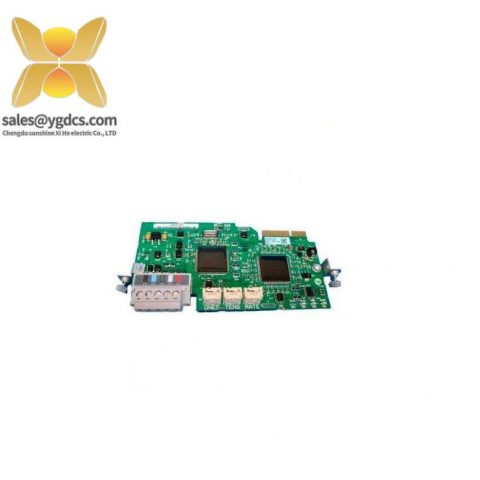
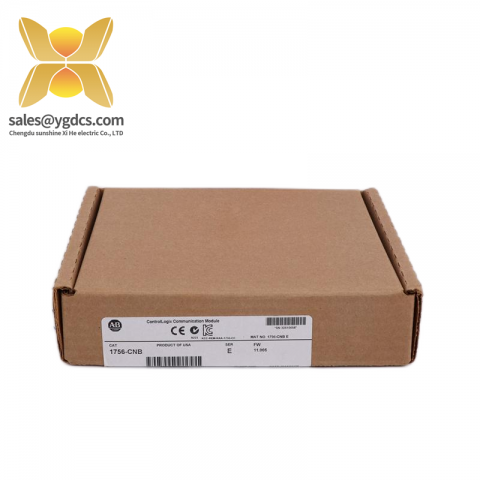
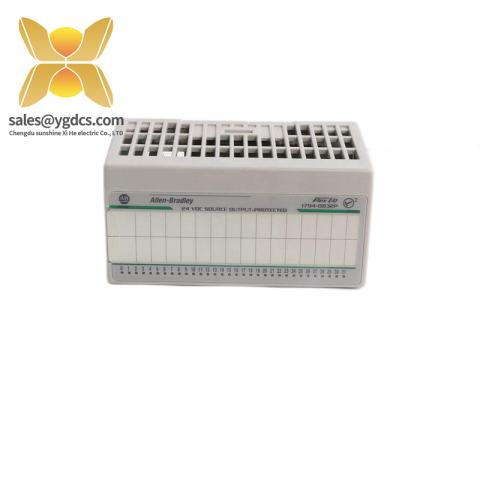
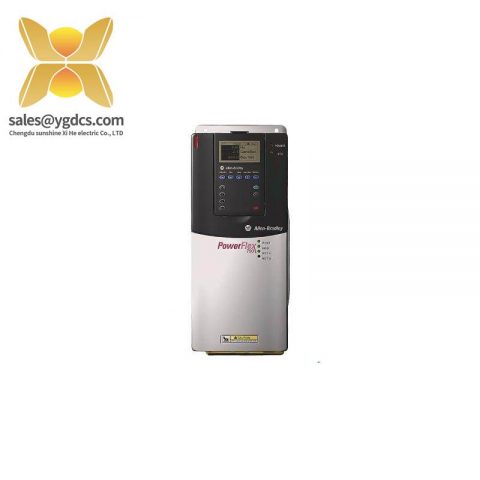
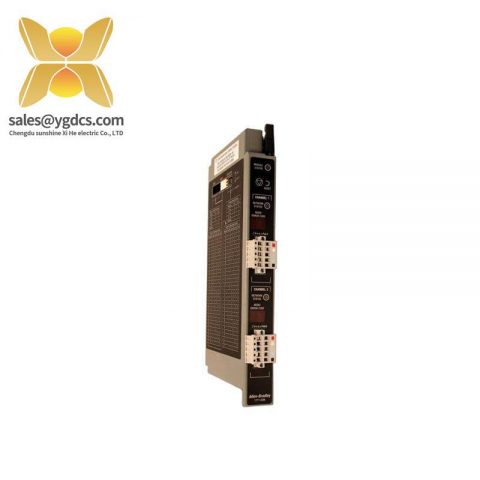
The Allen-Bradley AB 1771-SDN DeviceNet Scanner Module is engineered to deliver unparalleled performance in industrial environments, offering ladder-logic and structured-text programming capabilities for enhanced flexibility and efficiency.
With an advanced instruction set that includes file handling, sequencer, diagnostic, shift register, immediate I/O, and program control instructions, this module ensures seamless integration and control across various systems.
Featuring multiple main control programs for segregating control tasks, it allows for the precise allocation of resources, optimizing operational processes and improving productivity.
The processor input interrupts and global status flags facilitate real-time monitoring and response, enabling proactive management of system operations and enhancing reliability.
Programmable fault response mechanisms react swiftly to prevent system failures, ensuring continuous operation and minimizing downtime.
The timed interrupt routine allows for the examination of specific information at predetermined intervals, providing critical insights for proactive maintenance and process optimization.


There are no reviews yet.